🚨 Emergency Roof Leak? Free Same-Day Inspection Available | (800) 485-8428

Author: FirstLine Roofing

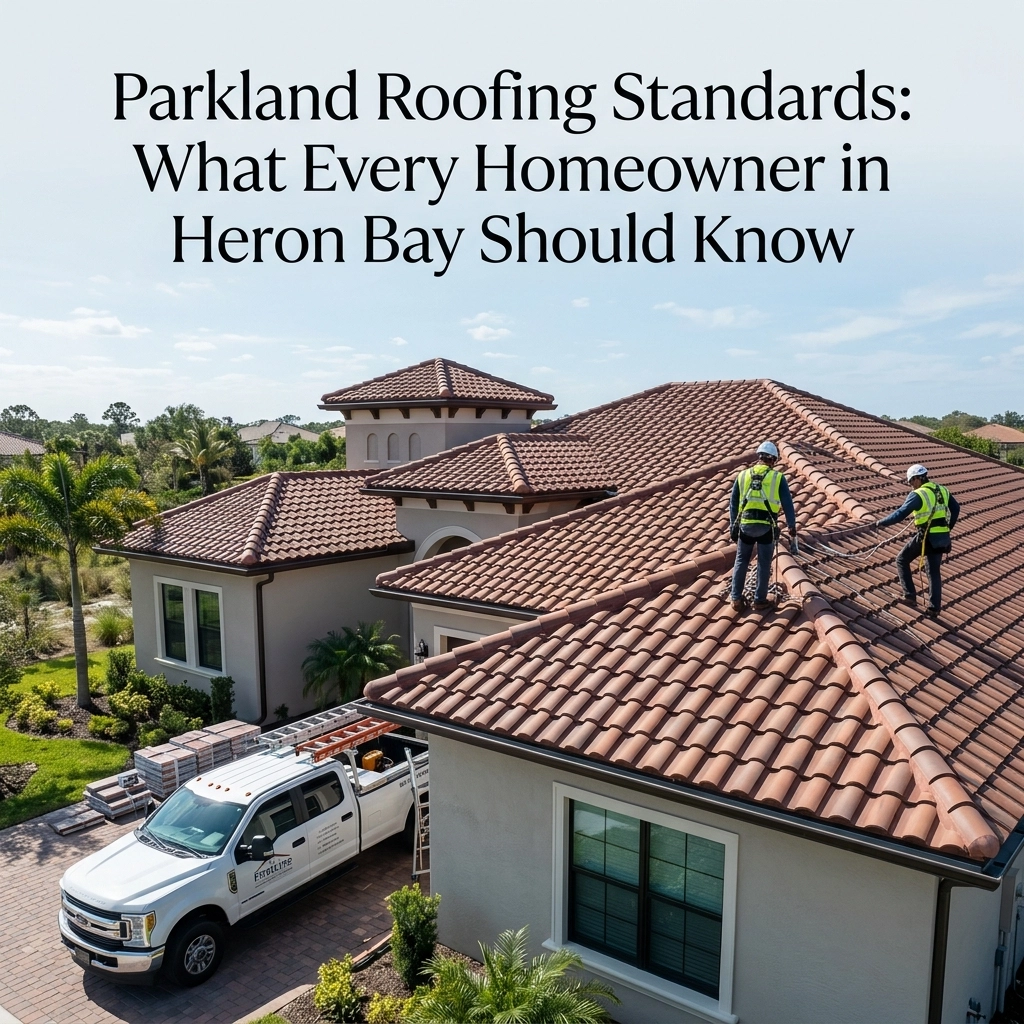
  • Parkland Roofing Standards: What Every Homeowner in Heron Bay Should Know

    Parkland Roofing Standards: What Every Homeowner in Heron Bay Should Know

    Living in Parkland, particularly within a premier community like Heron Bay, comes with a specific set of expectations. Here, "curb appeal" isn't just a buzzword; it’s a standard of living protected by both the City of Parkland and the Heron Bay Community Association (HBCA).

    When it comes time for a roof replacement in Florida, homeowners in this area face a unique dual-layered approval process. You aren't just dealing with the standard Florida Building Code; you are navigating the intricate architectural guidelines of one of Broward County’s most prestigious HOAs. At FirstLine Roofing, we’ve spent years working within these specific boundaries, ensuring that every roof we touch meets the high-velocity hurricane zone (HVHZ) requirements while satisfying the aesthetic demands of the Heron Bay Architectural Review Committee (ARC).

    Understanding the Two-Tiered Approval System

    For most homeowners, a roof is simply a shield against the elements. In Heron Bay, it is also a major architectural component. Because Heron Bay spans both Parkland and Coral Springs, the first step is identifying exactly which municipality governs your property. This guide focuses on the Parkland side, where building standards are notoriously rigorous.

    1. The City of Parkland Building Division

    The city's primary concern is safety and code compliance. Because we are in a High Velocity Hurricane Zone, the City of Parkland requires a roof inspection in Florida to be thorough and documented. Before any work begins, a permit must be pulled. This involves submitting a Uniform Roofing Permit Application, Florida Product Approvals, and, for any project valued over $5,000, a recorded Notice of Commencement (NOC).

    2. The Heron Bay ARC

    While the city cares about how the roof is attached, the Heron Bay ARC cares about how it looks. No exterior change: especially a roof replacement: can happen without prior written approval from the ARC. They oversee everything from the tile profile to the specific manufacturer color.

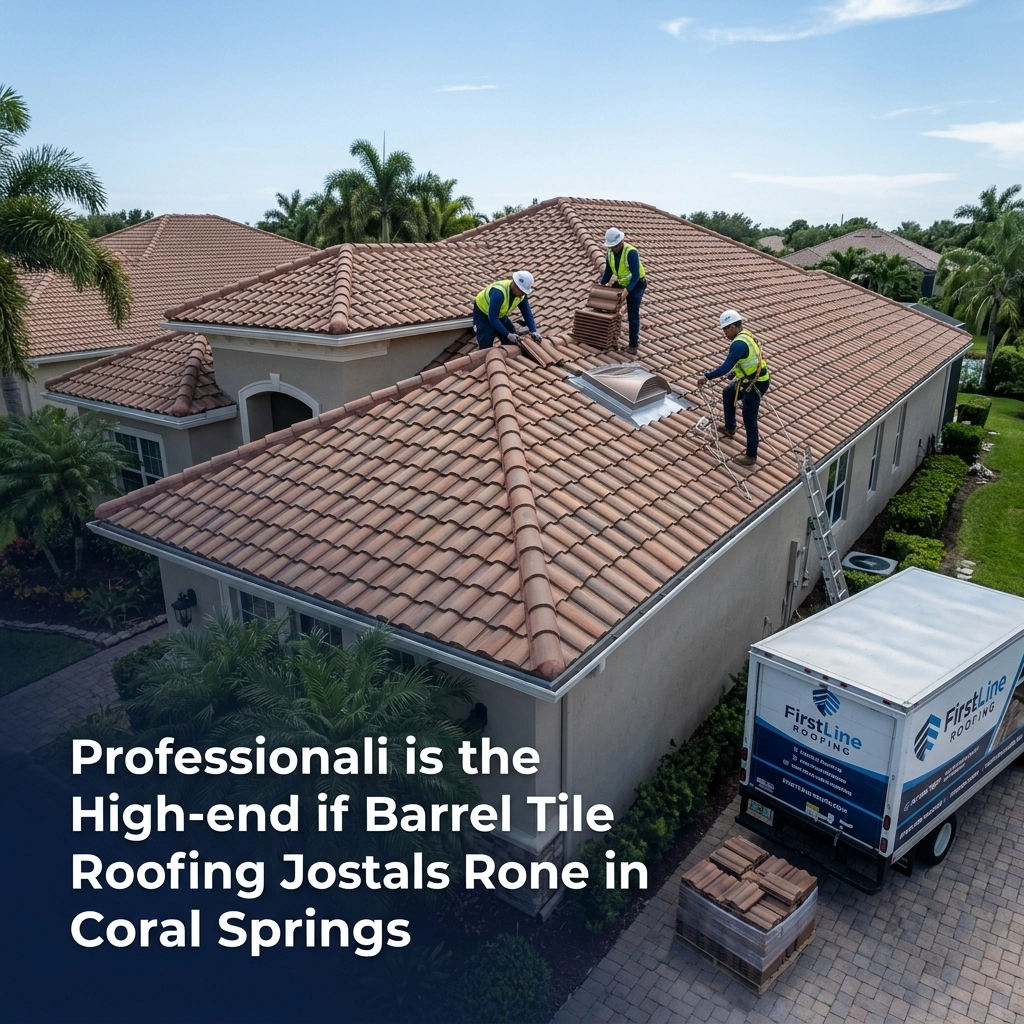
    FirstLine Roofing crew members installing concrete tiles on a luxury waterfront home

    Navigating the Heron Bay ARC Process

    The ARC exists to maintain the cohesive, upscale aesthetic that makes Heron Bay a sought-after address. If you are considering a new roof, you must submit an ARC application before ordering materials.

    What the ARC looks for:

    • Material and Profile: Most homes in Heron Bay utilize tile roofing, either concrete or clay. The ARC generally requires you to match the original style or choose from a pre-approved palette that complements your specific neighborhood's sub-association.
    • Color Harmony: Even if you love a specific shade of terra cotta, the ARC may deny it if it clashes with the immediate neighboring homes.
    • Timelines: ARC approvals in Heron Bay typically expire within six months. If the work isn’t completed in that window, you may find yourself back at the starting line.

    FirstLine Roofing frequently assists homeowners in gathering the technical data needed for these applications, including Florida Product Approvals and material samples, to ensure a smooth approval process for our Parkland roofing services.

    High Velocity Hurricane Zone (HVHZ) Standards

    Parkland falls within the HVHZ, which means the structural requirements for your roof are among the strictest in the world. When we perform a roof replacement in Florida, we aren't just "putting on new shingles." We are engineering a system designed to withstand extreme wind pressures.

    The Importance of the Secondary Water Barrier (SWR)

    One of the most critical components of a modern Parkland roof is the Secondary Water Barrier. In the event that your primary roofing material (like tile or shingles) is damaged or blown off during a storm, the SWR acts as a final line of defense to keep water out of your home. During the permit process, the City of Parkland requires a specific SWR affidavit to prove this has been installed correctly.

    Re-nailing the Decking

    Current building codes require that when an old roof is stripped, the underlying wood deck must be re-nailed to meet modern spacing standards. This significantly increases the roof's "uplift" resistance. As experienced roofing contractors in Florida, we ensure this step is documented meticulously for city inspectors and for your own wind mitigation reports, which can help lower your insurance premiums.

    A professional technician performs a detailed roof inspection in a Florida neighborhood

    Choosing Materials for Heron Bay Estates

    The luxury homes in Heron Bay often feature expansive rooflines that are highly visible from the street. Choosing the right material is a balance of aesthetics, longevity, and budget.

    Concrete and Clay Tile

    Tile remains the gold standard for Heron Bay. Concrete tiles offer a wide variety of profiles (flat, S-tile, or barrel) and are incredibly durable. Clay tiles, while often more of an investment, offer colorfastness that lasts for decades. Both materials are excellent for the Florida climate because they provide natural air ventilation, helping to keep cooling costs down.

    Premium Shingles

    While less common in some Heron Bay sub-divisions, high-end architectural shingles are an option for certain architectural styles. These are not your standard "builder-grade" shingles; they are thick, multi-dimensional, and rated for high-wind speeds.

    Metal Roofing

    For a more modern or "coastal transitional" look, some Parkland residents are moving toward metal roofing. Standing seam metal roofs offer incredible longevity and superior wind resistance, though they require specific ARC approval to ensure they fit the community's design language.

    Storm Resilience and Emergency Preparedness

    In Parkland, it’s not a matter of if a major storm will hit, but when. Maintaining a luxury estate means being proactive. Many homeowners wait until a leak appears to call for a roof inspection in Florida, but in a community like Heron Bay, preventative maintenance is key to protecting your interior finishes and high-end furnishings.

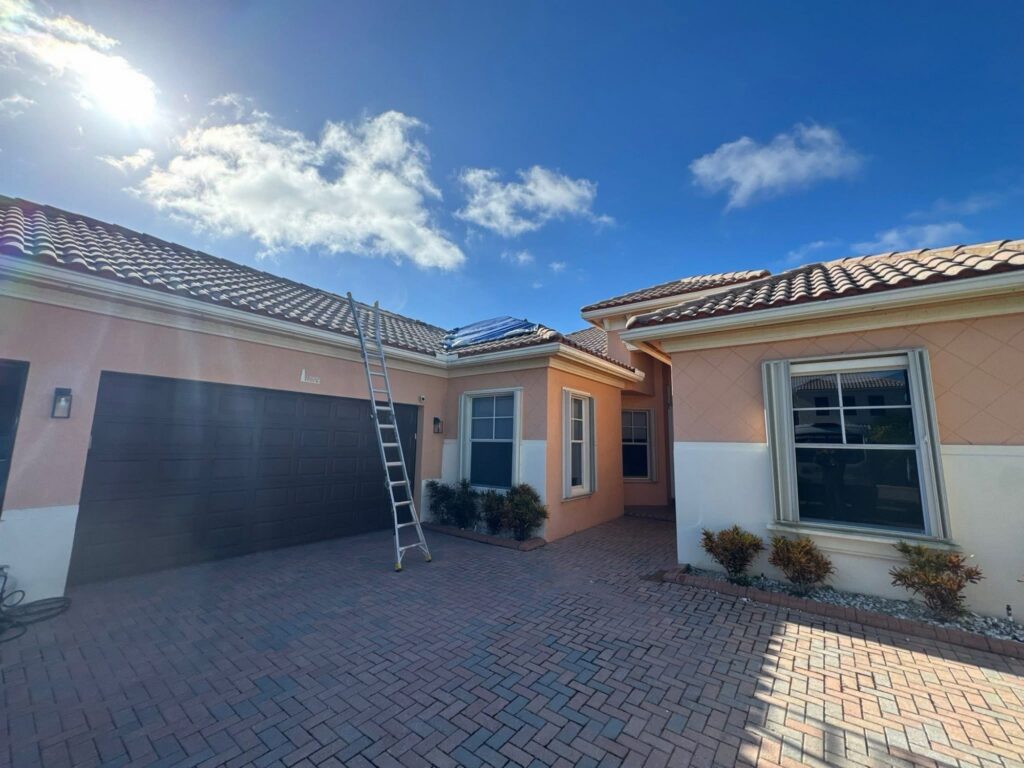
    If a storm does cause damage, immediate mitigation is required by most insurance policies. This often involves temporary repairs or tarps to prevent further water intrusion while the long-term repair or replacement is planned.

    A residential roof covered with a blue emergency tarp for storm damage protection

    Why Local Experience Matters

    Working with roofing contractors in Florida who are unfamiliar with Parkland-specific codes can lead to expensive delays. We have seen homeowners have their projects red-tagged by the city because a contractor used a non-HVHZ approved fastener, or have their HOA fine them because the tile color wasn't an exact match to the ARC-approved sample.

    At FirstLine Roofing, we specialize in these high-standard environments. We understand the nuances of the Heron Bay service area and the specific documentation the Parkland Building Division expects to see on the permit desk. Our goal is to make the process as invisible as possible for the homeowner, handling the "red tape" so you can simply enjoy the results.

    A Checklist for Heron Bay Homeowners

    If you are planning a roofing project this year, use this checklist to stay on track:

    • Determine Your Side: Confirm your property is on the Parkland side of Heron Bay.
    • Schedule an Inspection: Get a comprehensive roof inspection to determine if you need a repair or a full replacement.
    • Contact the ARC: Download the Heron Bay ARC application early to understand the required documentation.
    • Verify Licensing: Ensure your contractor holds a valid Florida CCC license and has specific experience in the HVHZ.
    • Review Product Approvals: Ask for the Florida Product Approval or Miami-Dade NOA (Notice of Acceptance) numbers for your chosen materials.
    • Plan for Inspections: Be aware that there will be multiple city inspections (in-progress/dry-in and final) during the project.

    Conclusion

    Replacing or maintaining a roof in a community as prestigious as Heron Bay requires more than just a hammer and nails: it requires a deep understanding of local regulations and a commitment to architectural excellence. Whether you are dealing with aging tiles, storm damage, or simply want to upgrade your home’s aesthetic, FirstLine Roofing is here to provide the expertise Parkland residents expect.

    If you have questions about the current state of your roof or need assistance navigating the ARC process, we are here to help. Our team provides detailed evaluations and high-end installation services tailored specifically for the Parkland lifestyle.

    Ready to protect your Parkland estate?
    Contact FirstLine Roofing today for a professional consultation or to schedule your next roof evaluation. From the initial inspection to the final city sign-off, we ensure your roof is built to last and designed to impress.
  • Coral Springs Roofing 101: Navigating City Guidelines & Permitting

    Coral Springs Roofing 101: Navigating City Guidelines & Permitting

    If you live in Coral Springs, you already know that our "City in the Country" has a very specific look and feel. Between the manicured medians and the strict architectural standards, it is one of the most beautiful places to live in South Florida. However, those high standards mean that when it’s time for a roof repair in Florida or a full replacement, you aren’t just dealing with hammers and nails: you’re dealing with a significant amount of bureaucracy.

    Navigating the City of Coral Springs Building Department can feel like a full-time job. From color restrictions to structural engineering requirements, there is a lot to get right before the first shingle or tile is ever laid. At FirstLine Roofing, we’ve spent years working directly with the city’s permitting office at 9500 W. Sample Road, and we’ve learned exactly what they look for.

    Here is everything you need to know about roofing in Coral Springs without the headache.

    The Coral Springs Aesthetic: More Than Just a Pretty Roof

    In many Florida cities, you can pick any roof color that doesn’t blind your neighbors. In Coral Springs, it’s a bit different. The city has a specific vision for its residential neighborhoods, primarily focused on maintaining property values through architectural consistency.

    Clay and Cement Tile Guidelines

    For the vast majority of single-family homes in Coral Springs, tile roofing is the standard. However, you can’t just pick any shade of Mediterranean blue or bright white. The city has a pre-approved list of colors and styles for clay and cement tiles.

    Typically, the city leans toward earth tones: terracottas, browns, and muted grays. If you choose a color that falls within the "standard" approved palette, your permit process is relatively straightforward. If you decide to go "off-menu" with a custom color, prepare for a longer wait time.

    FirstLine Roofing crew in branded uniforms installing new clay tiles on a residential roof.

    The ARC Process: When You Want Something Different

    If you want a roof that doesn't fit the standard mold: such as a specific non-approved color or a change in material: you will likely have to face the ARC (Architectural Review Committee).

    The ARC is responsible for ensuring that any changes to a home’s exterior remain "harmonious" with the rest of the neighborhood. This is particularly relevant if you are considering metal roofing.

    The Metal Roof Hurdle

    While metal roofs are becoming incredibly popular across Florida for their longevity and wind resistance, they are generally not permitted for single-family homes in Coral Springs without specific ARC approval. The city historically prefers the look of tile. If you have your heart set on a standing seam metal roof, your contractor will need to submit a formal request to the ARC, which includes providing samples, photos of the home, and often appearing at a hearing to explain how the roof will fit the community's aesthetic.

    Where Can You Have Shingles?

    One of the most common questions we get as roofing contractors in Florida is: "Can I just switch to shingles to save money?"

    In Coral Springs, the answer depends entirely on where you live. Most of the city requires tile, but there are exactly 10 subdivisions where asphalt shingles are traditionally permitted. These include:

    1. Forest Hills
    2. Cypress Glen
    3. Ramblewood
    4. Maplewood
    5. Coral Springs Hills
    6. The Dells
    7. Country Club
    8. Running Brook Hills
    9. North Springs
    10. Oak Wood

    If you aren’t in one of these specific areas, switching from tile to architectural shingles is a major uphill battle that requires a variance and substantial justification.

    Switching from Tile to Shingles? You Need an Engineer

    Even if you live in one of the subdivisions where shingles are allowed, you can’t just swap them out. If your home was originally engineered to hold the weight of a heavy tile roof, and you want to switch to a lighter material like shingles, the city requires a signed and sealed letter from a structural engineer.

    Why? Because the "uplift" calculations change. A heavy tile roof stays down partly due to its weight. A lighter shingle roof reacts differently to high winds. The city wants to ensure that the roof deck and the trusses are compatible with the new system to prevent failure during a hurricane. This is a critical step in a professional roof inspection in Florida.

    Professional roof inspection in Florida for structural code compliance on a Mediterranean home.

    Navigating the Permitting Process

    In Coral Springs, the building department is thorough. They require a complete package before they even look at your application. This includes:

    • The Building Permit Application (notarized).
    • Product Approvals (NOAs) for every single component (the tiles, the underlayment, the nails).
    • A copy of the signed contract.
    • The "Roof Calculations" package (HVC).

    How to File

    There are three ways to get your paperwork to the city:

    1. Online: The fastest way, using the city’s e-Permit portal.
    2. Email: You can submit PDF packages via email for certain smaller scopes.
    3. In-Person: You can head down to City Hall at 9500 W. Sample Road. While this is the "old school" way, sometimes it’s the best way to get a quick answer on a specific architectural question.

    Why Local Knowledge Matters

    Hiring a roofer who doesn't frequently work in Coral Springs is a recipe for delays. We often see out-of-area contractors fail inspections because they didn't realize Coral Springs requires specific "in-progress" inspections that other cities might skip.

    For example, the city is very strict about the "Tin Tag" or "Mop" inspection, where they verify the underlayment is installed correctly before the final tiles go on. If a contractor covers it up too early, the city may force them to tear it off so they can see what's underneath.

    A FirstLine Roofing technician in a safety harness performs a detailed roof inspection.

    Insurance and the "15-Year Rule"

    Beyond the city rules, Coral Springs homeowners are also dealing with insurance pressure. Many carriers are now requiring a full roof replacement if a roof is over 15 years old, regardless of its actual condition.

    If you receive a notice from your insurance company, the first step should always be a professional roof inspection in Florida. We can often provide a condition report or help you understand if a repair is viable or if the city's strict guidelines will make a replacement more cost-effective in the long run. You can also look into the My Safe Florida Home program to see if you qualify for grants to help offset these costs.

    Final Thoughts for Homeowners

    A new roof is the most significant investment you will make in your home. In a city as detail-oriented as Coral Springs, you need a partner who understands the nuances of the local code. Whether you are dealing with storm damage or simply planning for the future, don't let the paperwork intimidate you.

    If you have questions about whether your specific subdivision allows shingles, or if you need help navigating an ARC hearing for a new metal roof, we are here to help. At FirstLine Roofing, we don't just build roofs; we manage the entire process from the first permit application to the final city sign-off.

    Ready to get started? Contact us today for a comprehensive roof evaluation and let us handle the Coral Springs red tape for you.

  • Top Roofing Companies in Parkland, Florida (2026)

    Top Roofing Companies in Parkland, Florida (2026)

    Choosing the right roofing company in Parkland is about more than finding the lowest estimate. South Florida roofs face some of the harshest conditions in the country — extreme UV exposure, hurricane-force winds, heavy rain, and strict building code requirements that continue evolving year after year.

    According to the Florida Building Code and guidance from the National Roofing Contractors Association (NRCA), South Florida roofing systems must withstand some of the highest wind exposure and weather demands in the country.

    For homeowners in Parkland, Coral Springs, Boca Raton, Coconut Creek, Weston, and surrounding Broward County communities, experience, local reputation, and long-term accountability matter.

    Here are five roofing companies that have established strong visibility and recognition in the Parkland market.


    1. FirstLine Roofing

    FirstLine Roofing has quickly become one of the most recognized roofing companies serving Parkland and the surrounding South Florida market.

    Unlike many large-scale roofing operations focused primarily on volume, FirstLine operates with a construction-first approach rooted in real field experience, building science, and long-term project oversight. The company is led by licensed contractors with extensive backgrounds in construction, roofing, restoration, and complex property damage assessment.

    What separates FirstLine from many competitors is its combination of technical expertise and strong community involvement. The company maintains deep roots throughout Parkland, Coral Springs, and Broward County through local organizations, youth sports involvement, business networking groups, and homeowner education initiatives.

    FirstLine Roofing specializes in:

    • Tile roofing systems
    • Standing seam metal roofing
    • Flat and low-slope roofing
    • Roof replacements
    • Roof repairs
    • Leak diagnostics
    • Insurance-related roof evaluations
    • High-end residential roofing systems

    For homeowners looking for a locally rooted company with direct leadership involvement and detailed project oversight, FirstLine Roofing has become one of the strongest names in the Parkland roofing market.

    Additional roofing resources:


    2. Distinctive Roofing

    Distinctive Roofing has maintained a strong presence in South Florida for many years and remains one of the more recognizable roofing companies in Broward County.

    The company has completed a significant number of residential roofing projects throughout the region and continues to maintain visibility across Parkland and neighboring communities. Their longevity in the market has contributed to strong brand familiarity among local homeowners.


    3. A2Z Roofing

    A2Z Roofing is another well-known roofing contractor serving Parkland homeowners and surrounding South Florida communities.

    The company has developed a recognizable local presence through residential roofing projects and ongoing activity throughout Broward County. Homeowners comparing roofing companies in Parkland will often encounter A2Z as one of the established local options in the market.


    4. Tiger Team Roofing

    Tiger Team Roofing has continued expanding its visibility throughout South Florida and has become increasingly active throughout Broward and Palm Beach Counties.

    The company has built strong regional brand recognition through large-scale marketing efforts and residential roofing operations across multiple South Florida markets.


    5. Evans Roofing

    Evans Roofing has been part of the South Florida roofing industry for decades and remains one of the longstanding roofing companies operating in the region.

    Their established history and continued activity throughout Broward County have made them a familiar name among homeowners researching roofing contractors in Parkland and nearby areas.


    Family-Owned Roofing Companies vs Corporate Roofing Expansion

    One of the biggest changes in the roofing industry over the last decade has been the rise of private equity-backed roofing companies and large regional consolidation groups.

    Industry publications such as Roofing Contractor Magazine and RoofersCoffeeShop have covered the increasing consolidation of roofing companies nationwide as private investment groups continue entering the industry.

    Many homeowners are surprised to learn that some roofing brands operating in Florida today are no longer truly local companies. In many cases, ownership structures have shifted toward large investment groups focused heavily on rapid growth, sales volume, and regional expansion.

    Family-owned roofing companies often operate differently.

    Locally rooted companies typically maintain:

    • Direct owner involvement
    • Long-term community relationships
    • Greater accountability
    • Stronger local reputation management
    • Better familiarity with South Florida building codes
    • More personalized communication during projects

    In communities like Parkland, many homeowners still value working with companies that are genuinely connected to the area and plan to remain part of the community long-term.


    Choosing the Best Roofer in Parkland

    Before hiring a roofing contractor, homeowners should always verify:

    • State licensing
    • Insurance coverage
    • Local references
    • Permit history
    • Manufacturer certifications
    • Warranty details
    • Online reputation
    • Actual ownership and leadership structure

    The best roofing companies are not always the ones with the largest advertising budgets. In many cases, the companies that earn the strongest reputations are the ones that consistently communicate well, perform quality work, and remain accountable years after the project is complete.

    For homeowners throughout Parkland and Broward County, working with a trusted local roofing company can make a major difference in both the roofing process and the long-term performance of the system protecting the home.


    Additional Roofing Resources

    Homeowners researching roof replacements, storm preparation, tile roofing systems, or long-term roof maintenance can learn more at:

  • How Wind Mitigation Can Impact Your Insurance Premium

    Wind mitigation is a set of building features that can help a home perform better in high winds. In Florida, insurers may consider certain wind mitigation characteristics when determining premiums. While results vary by carrier and property, understanding your roof and attachment details is often a practical first step.

    What wind mitigation typically looks at

    • Roof covering (type, condition, and installation factors)
    • Roof deck attachment (how the decking is fastened)
    • Roof-to-wall connections (how the roof structure is tied into the walls)
    • Roof geometry (overall shape and wind exposure characteristics)
    • Secondary water resistance (added protection that may help reduce water intrusion)

    How this can affect insurance premiums

    Many insurers use wind mitigation information to evaluate risk. If your home has certain features that align with wind mitigation standards, your insurer may apply credits or adjustments. The amount (if any) depends on your insurer’s underwriting rules, your home’s construction details, and the documentation you provide.

    Why documentation matters

    Insurance decisions are documentation-driven. A professional inspection and clear reporting can help you understand what features are present and what improvements may be worth considering before you speak with your carrier.

    To get a clear, photo-documented assessment, start with a roof inspection.

    How the My Safe Florida Home program relates

    Some homeowners explore storm-hardening upgrades through the My Safe Florida Home program. Program availability and eligibility can change, and inspections do not guarantee credits or funding—but they can help you make informed decisions about potential improvements.

    If you’d like to discuss inspection findings and next steps, call 954-282-5224 or request an appointment.

  • My Safe Florida Home Program Roof Requirements Explained

    What the My Safe Florida Home program is (in plain language)

    The My Safe Florida Home program is designed to help eligible Florida homeowners understand practical ways to reduce wind-related risk. It typically starts with an inspection and may include recommendations for improvements that are commonly associated with wind mitigation standards. Program availability, eligibility, and funding can change, so it’s important to confirm current requirements through official resources.

    What “roof requirements” usually means

    When homeowners search for “My Safe Florida Home roof requirements,” they’re usually looking for the types of roof-related items that an inspection may review and the kinds of upgrades that may be recommended for storm resistance. Requirements vary by home, roof type, and current program guidelines.

    Common roof-related improvements that may be recommended

    • Roof covering condition: signs of aging, missing materials, or active leaks that could reduce performance in high winds
    • Roof-to-wall connections: connection types and opportunities to strengthen attachment where applicable
    • Secondary water resistance (SWR): added protection that may help reduce water intrusion if the roof covering is compromised
    • Underlayment and flashing details: critical transition points that help manage wind-driven rain
    • Replacement considerations: in some cases, a full replacement may be the most practical way to bring the system up to current standards

    How an inspection helps you plan next steps

    A professional inspection helps you understand what you have today, what’s performing well, and where improvements may be beneficial. It can also help you prioritize upgrades—especially if you’re comparing repair vs. replacement or planning improvements over time.

    If you’re starting with a documented assessment, schedule a roof inspection to review your roof’s condition, storm-readiness, and potential improvement options.

    Important compliance notes

    • Inspections and improvements may help homeowners understand storm-hardening options and wind mitigation considerations.
    • They do not guarantee eligibility, credits, or grant approval.
    • Program rules and funding cycles can change—verify current details through official program channels.

    How FirstLine Roofing can help

    FirstLine Roofing provides inspections, documentation, and roofing services aligned with commonly recommended storm-resistance improvements. If replacement is the right path, our team can walk you through options and next steps with clear recommendations.

    Request an inspection or call 954-282-5224 to schedule.