
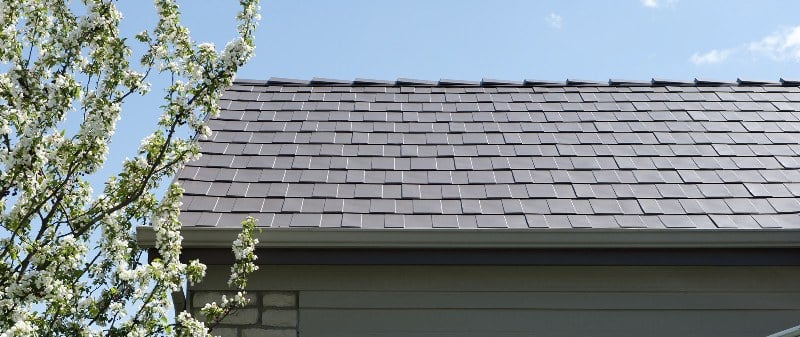
As a South Florida homeowner, you understand the importance of maintaining your property. One of the most critical components of your home is the roof. A sturdy, well-maintained roof protects your home from the elements and keeps you and your family safe. However, over time, even the best roofs will deteriorate and eventually need to be replaced. In this article, we’ll discuss some signs that it may be time for you to replace your roof.
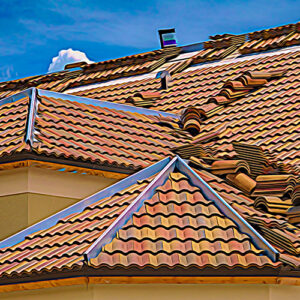
- Age of Your Roof: The average lifespan of a roof depends on several factors, including the material and type of roof you have. Most roofs last between 15-25 years, but some can last longer. If your roof is approaching the end of its lifespan, it may be time to consider a replacement.
- Missing or Damaged Shingles: If you have missing or damaged shingles, it’s a clear sign that your roof is in need of repair or replacement. If a significant portion of your roof is missing or damaged, it’s not only an eyesore but also leaves your home vulnerable to leaks and water damage.
- Sagging Roof: A sagging roof can be a sign of structural damage and is a clear indication that your roof needs to be replaced. A sagging roof can also put additional stress on your home’s support beams, which can cause more significant problems in the future.
- Leaks and Water Damage: If you notice water stains on your ceiling or walls, it’s a sign that your roof is leaking. If you have water damage, it’s essential to have a roofing professional inspect your roof to determine the cause of the leak and the extent of the damage.
- Increased Energy Bills: If you notice that your energy bills have increased significantly, it may be due to a poorly insulated roof. A new roof with better insulation can help reduce your energy costs and improve your home’s energy efficiency.
In conclusion, knowing when to replace your roof is critical to the health and safety of your home. If you’re unsure if it’s time to replace your roof, it’s best to consult with a roofing professional. Here at Firstline we can inspect your roof, evaluate its condition, and recommend the best course of action. By keeping your roof in good condition, you can protect your home, save money, and enjoy a comfortable living environment.