
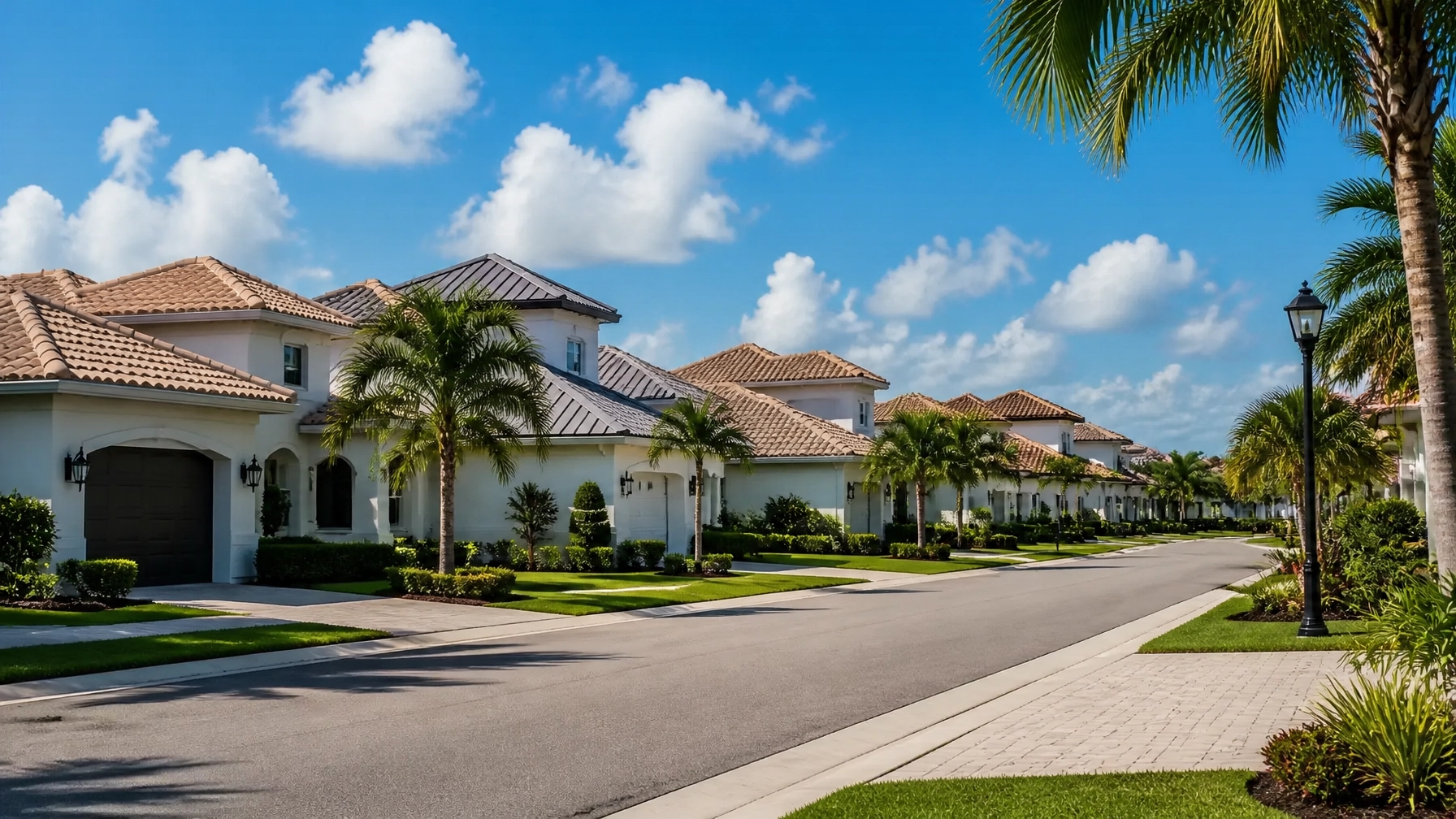
Choosing between a metal roof and a concrete tile roof is one of the biggest decisions South Florida homeowners make when replacing a roof. Both systems perform exceptionally well in our unique climate when installed correctly, but they offer very different advantages depending on your home’s architecture, your budget, HOA requirements, and your long-term property goals.
At FirstLine Roofing, we specialize in both systems, providing high-end installations throughout Parkland, Coral Springs, Boca Raton, and surrounding South Florida communities. Here’s a comprehensive look at what homeowners should know before making this significant investment.
The South Florida Roofing Challenge
Before diving into the materials, it is important to understand what a roof in South Florida must endure. Unlike most of the country, our roofs face a relentless trifecta:
- Intense UV Exposure: The Florida sun can bake roofing materials to over 160°F, causing thermal expansion and material degradation.
- High Humidity and Salt Air: For coastal properties, the corrosive nature of salt air can eat through low-quality metals and cause organic growth on porous tiles.
- Hurricane-Force Winds: We live in a High Velocity Hurricane Zone (HVHZ), where roofing systems must be engineered to withstand wind speeds often exceeding 150 mph.
Understanding these factors is the first step in deciding whether a metal or tile system is the best fit for your specific building envelope.
Durability & Wind Resistance
Both metal and tile are considered "premium" roofing options because of their longevity compared to traditional asphalt shingles. However, their durability profiles differ.
Metal Roofing Systems
Modern metal roofing, specifically standing seam systems, is often considered the "gold standard" for wind resistance. Because the panels are interlocked and mechanically fastened or snapped together, there are no exposed fasteners to back out over time.
- Lifespan: Typically 40 to 70 years.
- Wind Performance: Often rated for winds up to 160 mph or higher.
- Impact Resistance: Metal is ductile; while a large hailstone or flying branch might dent a panel, it is unlikely to crack or breach the system’s water tightness.
Concrete Tile Roofing Systems
Tile has been the backbone of South Florida architecture for decades. Its durability comes from the sheer mass and resilience of the concrete or clay material itself.
- Lifespan: The tiles themselves can last 50 to 100 years. However, the underlayment, the actual waterproof barrier, typically lasts 20 to 25 years. This often requires a "tile lift" or "renewal" where the tiles are removed and reinstalled over new underlayment.
- Wind Performance: Modern installation methods (using specialized foam adhesives or screws) provide excellent wind uplift resistance.
- Impact Resistance: Tiles are brittle. While they are thick, a direct hit from heavy debris can crack them, which may lead to leaks if the underlayment is aged.

Appearance & Curb Appeal
Aesthetics often drive the final decision, especially in master-planned communities.
The Mediterranean Aesthetic
Concrete tile roofs remain the most recognizable architectural feature in communities like Heron Bay and Parkland Isles. They offer:
- Classic Profiles: Whether it’s a high-barrel "S" tile or a flat "slate" look, tile provides deep shadow lines and a sense of permanence.
- Color Variety: From terracotta and earth tones to modern grays and whites.
The Modern Coastal Aesthetic
Metal roofing has undergone a design revolution. It’s no longer just for commercial buildings or rural barns.
- Standing Seam: Provides clean, vertical lines that complement "Modern Coastal" or "Contemporary" home styles.
- Stone-Coated Steel: For homeowners who want the benefits of metal but the look of tile, stone-coated steel can mimic the profile of barrel tiles or wood shakes with remarkable accuracy.
Weight & Structural Considerations
One of the most overlooked factors in roof replacement is the weight of the material.
Concrete Tile Weight: A concrete tile roof can weigh between 800 and 1,100 pounds per "square" (a 10' x 10' area). This is a massive load for a home’s structural frame. If your home was originally designed for shingles, you must have a structural engineer verify that your trusses can handle the weight of tile.
Metal Roof Weight: Metal is incredibly lightweight, usually weighing between 50 and 150 pounds per square. This makes it an ideal candidate for "re-roofing" projects where you want to increase durability without stressing the home’s foundation or framing.

Energy Efficiency: Keeping the Attic Cool
In the Florida heat, your roof is your primary defense against rising cooling costs.
- Metal’s Reflectivity: Metal roofs are highly reflective. When coated with "Cool Roof" pigments, they reflect a significant portion of solar radiation back into the atmosphere rather than absorbing it into the attic.
- Tile’s Thermal Mass: Tile works differently. Because of its density, it has high "thermal mass," meaning it takes a long time to heat up. Furthermore, the way tiles are laid creates a natural air gap between the tile and the deck, which acts as a buffer against heat transfer.
Both systems, when paired with proper ventilation, can significantly reduce your home’s energy footprint.
Maintenance & Long-Term Costs
No roof in Florida is truly "maintenance-free."
Maintenance for Tile:
- Cracked Tiles: Walking on a tile roof (for AC repair or holiday lights) often results in cracked tiles that must be replaced immediately to protect the underlayment.
- Organic Growth: Porous concrete tiles are prone to algae and mildew, requiring soft-wash cleaning every few years to maintain curb appeal.
Maintenance for Metal:
- Fastener Checks: For "exposed fastener" systems (common in commercial/agricultural), screws may need tightening over time. However, in "standing seam" systems, maintenance is minimal.
- Debris Removal: Keeping valleys and gutters clear of pine needles and leaves is essential to prevent moisture traps.

HOA & Insurance Considerations
Before you fall in love with a specific material, check your local regulations.
- HOA Guidelines: Many upscale South Florida HOAs have "aesthetic harmony" clauses that mandate tile roofs. However, some are beginning to allow metal roofs if they meet specific color or profile requirements.
- Wind Mitigation: Replacing an old roof with a new metal or tile system almost always results in lower homeowner insurance premiums. Ensure your contractor provides a wind mitigation report upon completion.
- My Safe Florida Home: If you are participating in state grant programs, ensure the materials and the contractor meet the program's specific requirements.
Which Roof Is Right for You?
Choose Tile If:
- You live in a community with strict Mediterranean architectural requirements.
- You prefer a traditional, heavy-set look for your luxury home.
- You are prepared for periodic maintenance and an eventual underlayment replacement in 20+ years.
Choose Metal If:
- You want the highest possible wind and impact resistance.
- Your home’s structure cannot support the weight of tile.
- You want a modern, sleek appearance with minimal long-term maintenance.
- You are interested in the highest levels of solar reflectivity.
Frequently Asked Questions
Is a metal roof noisier when it rains?
Not on a residential home. When installed over a solid wood deck with proper underlayment and attic insulation, a metal roof is no noisier than a tile or shingle roof.
Will a metal roof attract lightning?
No. While metal conducts electricity, it does not "attract" it. Because metal is non-combustible, it is actually safer than many other materials if a strike were to occur.
Can I walk on my tile roof?
It is highly discouraged. Tiles are brittle and easily cracked by foot traffic. If you must have work done (like solar panel cleaning or AC maintenance), ensure the technicians are trained on how to walk on tiles without causing damage.
Schedule a Professional Consultation
There is no "one-size-fits-all" answer to the metal vs. tile debate. The best way to determine the right path is through a professional evaluation of your home’s structure, your neighborhood’s requirements, and your budget.
If you’re considering a roof replacement in Parkland, Coral Springs, Coconut Creek, or Boca Raton, contact FirstLine Roofing today. We provide detailed inspections and transparent recommendations to ensure your home is protected for decades to come.